A new standard in coffee flavor. Crafted from durable double wall stainless steel with a large 12oz capacity, our unique 3-in-1 brew method speeds up extraction for less bitterness and a smoother, more full-bodied cup.
Not a specialist, but I guess that friction would rub off microplastics both from the lid and the main part, and of the main part is metal, it eliminates that part at least.
Those plastics don’t only get inside you, but also into water sources. We can’t estimate the impact exactly, and most probably your Aeropress contributes insignificantly.
Still, if you have money, there are worse ways to spend it than upgrading your plastic appliances. If you don’t want to, no shame in continuing using things you got used to. But I invite you to keep in mind that consumers’ habits might contribute to global issues.
As for me, I use a $1 cheap Cezve from Caucasus, and it just works. No need for filters, too.


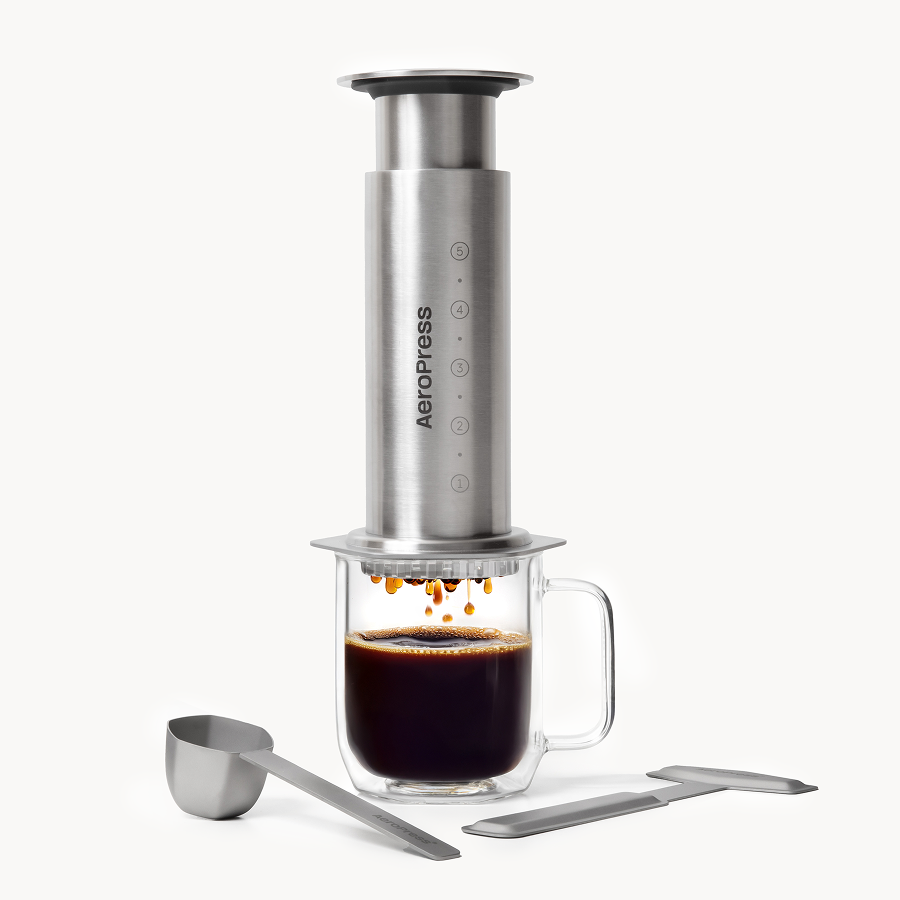
Some people prefer Aeropress, but would like to drink it without microplastics.
Isn’t the rubber lid under the highest mechanical stress? What material did they choose there to avoid plastics?
Not a specialist, but I guess that friction would rub off microplastics both from the lid and the main part, and of the main part is metal, it eliminates that part at least.
And, the mystery plastic would some how get past the paper filter (micro cellulose!).
Aero presses don’t wear out.
This thread is giving me microplastics.
Those plastics don’t only get inside you, but also into water sources. We can’t estimate the impact exactly, and most probably your Aeropress contributes insignificantly.
Still, if you have money, there are worse ways to spend it than upgrading your plastic appliances. If you don’t want to, no shame in continuing using things you got used to. But I invite you to keep in mind that consumers’ habits might contribute to global issues.
As for me, I use a $1 cheap Cezve from Caucasus, and it just works. No need for filters, too.
Don’t type on your keyboard! Microplastics! Ahhhh!